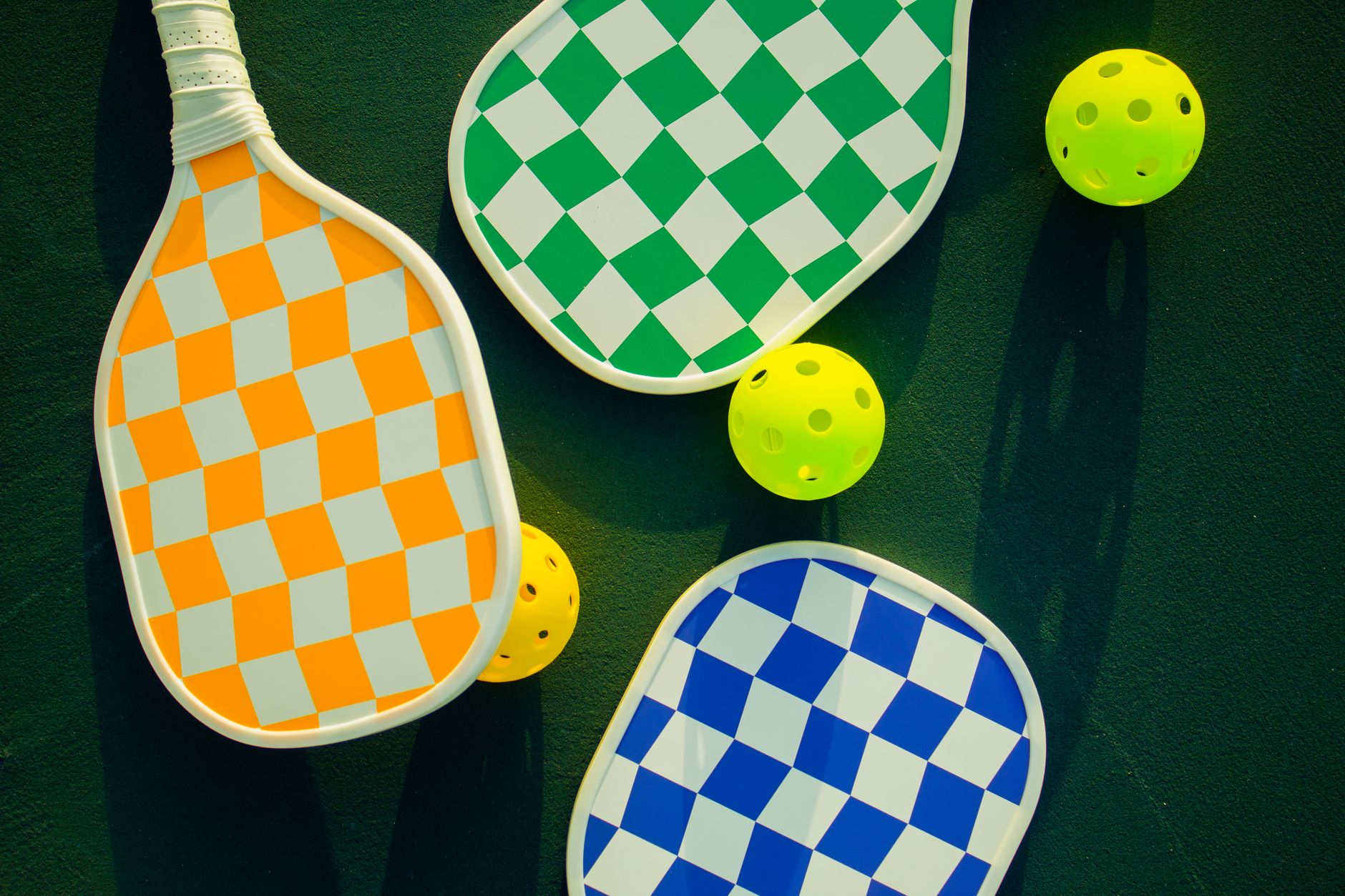
Choosing the right pickleball paddle can influence comfort, control, consistency, and confidence on the court. With numerous paddle specifications to evaluate, players often need a practical way to organize information before making a decision. A pickleball paddle comparison tool provides a structured approach by allowing players to review important characteristics side by side. Instead of relying on isolated product descriptions, players can examine relevant details together and better understand how different paddles may fit their playing requirements.
What’s Covered
- What is a pickleball paddle comparison tool?
- Why is comparing paddle specifications important?
- Which paddle characteristics should players compare?
- How can comparison improve the equipment research process?
- Is a paddle comparison useful for beginners?
- Can experienced players benefit from comparison tools?
- How does organized comparison support better decisions?
- What makes a comparison process reliable?
What is a pickleball paddle comparison tool?
A pickleball paddle comparison tool is a digital resource designed to make paddle research more organized. It brings key specifications into one convenient comparison experience, helping players identify meaningful differences between equipment options. Rather than moving between multiple pages and manually recording information, users can evaluate several characteristics within a single process. This makes equipment research easier to follow, especially for players who are still learning how paddle specifications affect performance.
Why is comparing paddle specifications important?
Every player has different expectations from their equipment. Some prioritize control and placement, while others may focus on power, maneuverability, or a comfortable feel during extended sessions. Comparing specifications helps players understand these distinctions before selecting a paddle. A structured comparison can also reveal differences that might be overlooked when reading individual product descriptions. This encourages more thoughtful purchasing decisions based on playing preferences rather than appearance or general popularity.
Which paddle characteristics should players compare?
Several specifications can provide useful insight when evaluating pickleball paddles. Weight is important because it can influence maneuverability, swing feel, and overall handling. Paddle shape may affect the balance between reach, control, and sweet-spot characteristics. Surface materials and core construction can also contribute to how a paddle responds to contact.
Handle length and grip characteristics are additional considerations. Players should think about whether they prefer a traditional handling experience or need additional room for specific techniques. Looking at these specifications together gives players a more complete understanding of how a paddle may complement their individual style.
How can comparison improve the equipment research process?
A comparison-based approach reduces unnecessary searching. Players can identify the specifications that matter most to them and concentrate their research accordingly. Instead of reviewing products independently and attempting to remember every detail, they can evaluate differences within a consistent framework.
This can be particularly helpful for players who are deciding between paddles with similar descriptions. Small differences in construction, dimensions, or weight can become more apparent when the information is presented together. A comparison tool therefore supports a more systematic research process.
Is a paddle comparison useful for beginners?
Yes. Beginners may find paddle specifications confusing because they have not yet developed a clear understanding of how equipment characteristics relate to their playing experience. A comparison tool can simplify this learning process by presenting information in an organized format.
Rather than choosing equipment solely because it looks appealing, new players can begin identifying characteristics associated with comfort, control, handling, and responsiveness. This creates a stronger foundation for future equipment decisions as their skills develop.
Can experienced players benefit from comparison tools?
Experienced players can also benefit because their equipment preferences are often more specific. A competitive or advanced player may already understand the importance of weight distribution, surface construction, paddle dimensions, or handle design. Comparing these details can help them narrow their choices more efficiently when searching for equipment that complements an established playing style.
The value is not simply in finding differences but in understanding which differences are relevant to a particular player.
How does organized comparison support better decisions?
Good equipment decisions usually begin with relevant information. A well-organized comparison process allows players to evaluate specifications consistently and avoid overlooking important details. It also encourages players to consider practical factors such as playing frequency, skill level, preferred techniques, and comfort.
Rather than treating a paddle as a standalone purchase, players can view equipment selection as part of their broader playing experience. This perspective makes research more purposeful and easier to manage.
What makes a comparison process reliable?
A useful comparison process should present information clearly, consistently, and without unnecessary complexity. Specifications should be easy to locate, while descriptions should help users understand what each characteristic represents. Players should still consider their own preferences and playing experience because technical specifications alone cannot determine which paddle will feel best.
Ultimately, structured comparison gives pickleball players a practical way to research equipment with greater confidence. By examining important characteristics together, beginners and experienced players alike can make more informed choices and select equipment that better aligns with how they enjoy playing the game.
What You Need to Know
- Choosing the right pickleball paddle affects comfort, control, consistency, and confidence on the court.
- A pickleball paddle comparison tool helps players evaluate specifications side by side for a more organized research process.
- Key paddle characteristics to compare include weight, shape, surface materials, core construction, handle length, and grip attributes.
- A structured comparison can uncover important distinctions that may be overlooked when reading individual product descriptions.
- Comparison tools benefit both beginners, who may find specifications confusing, and experienced players seeking specific equipment preferences.
- A reliable comparison process presents information clearly and allows players to make informed decisions based on their personal playing experiences.