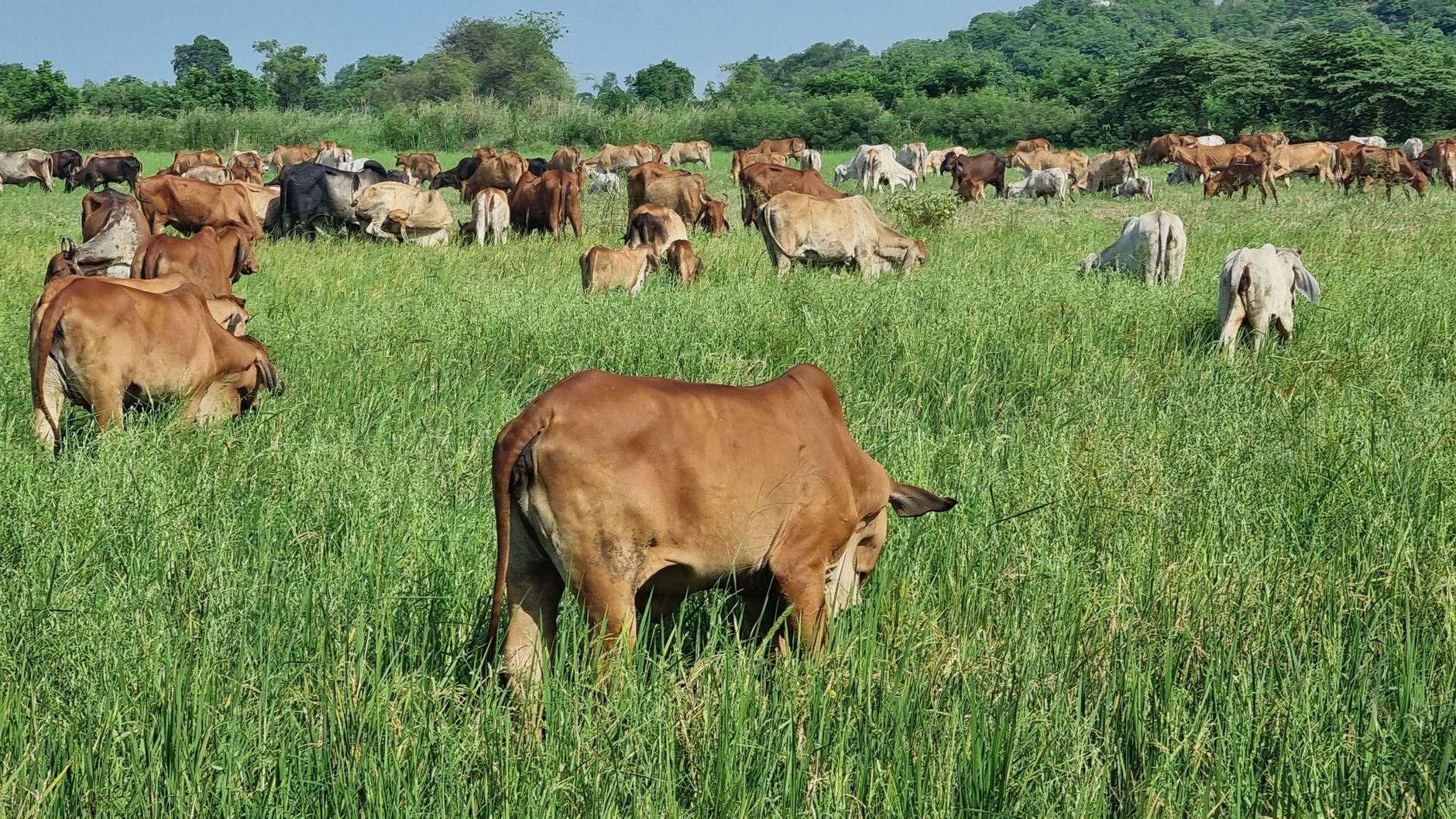
Cattle have played an important role in the agricultural, economic, and cultural development of southern Thailand. For generations, rural families have depended on livestock for farming activities, breeding, and household livelihoods. The tradition of Southern Fighting Cattle (วัวชนแดนใต้) also reflects a distinctive connection between local communities and powerful bulls. Beyond traditional competitions, cattle represent agricultural knowledge, family responsibilities, and regional customs that continue to influence community life.
How Have Cattle Supported Rural Livelihoods?
Cattle have traditionally provided valuable support to farming families. They contribute to agricultural activities and represent an important investment for livestock owners. Raising healthy animals requires knowledge of feeding, breeding, housing, and disease prevention.
In rural communities, livestock ownership can also provide financial stability. Families may raise cattle for breeding or agricultural production, passing valuable experience from parents to children. These responsibilities encourage patience, cooperation, and long-term planning.
Why Are Cattle Important to Local Traditions?
Cattle are closely connected with the agricultural identity of many southern Thai communities. Traditional gatherings involving livestock provide opportunities for farmers and residents to share experiences and celebrate regional customs.
Bullfighting has historically attracted attention in certain areas, becoming associated with local entertainment and community gatherings. These events have contributed to regional stories and social relationships. However, traditions differ between communities, and not every cattle-related celebration involves competition.
Local livestock exhibitions and agricultural activities also help preserve knowledge about different breeds and traditional farming practices.
What Role Do Cattle Owners Play in Community Life?
Cattle owners contribute to local agricultural knowledge through their everyday experience. They understand the importance of suitable nutrition, clean water, proper shelter, and regular veterinary attention.
Experienced farmers may share practical advice about animal health, breeding decisions, and safe handling. These exchanges strengthen relationships between livestock owners and encourage younger generations to develop an interest in agriculture.
Responsible ownership also involves understanding animal behavior and providing suitable conditions for healthy development.
How Are Modern Attitudes Influencing Cattle Traditions?
Changing social expectations have encouraged greater attention to animal welfare. Traditional activities involving direct physical confrontation between bulls can expose animals to injuries, stress, and suffering.
Communities can preserve their agricultural heritage through safer alternatives, including livestock exhibitions, breed presentations, educational demonstrations, and cultural festivals. These activities recognize the importance of cattle without encouraging harmful treatment.
Veterinary guidance, proper facilities, and responsible management are essential parts of modern livestock practices.
What Is the Future of Cattle Culture in Southern Thailand?
The future of cattle traditions depends on maintaining meaningful connections with agricultural history while adapting to modern responsibilities. Educational programs can help younger generations understand livestock management and the cultural importance of farming.
Community gatherings can continue celebrating regional identity through humane and educational activities. By supporting responsible cattle ownership, farmers can protect animal health and preserve valuable knowledge.
Ultimately, cattle remain an important part of southern Thai community life. Their contribution extends beyond agriculture, representing family heritage, cooperation, and the shared experiences of rural generations.
What You Need to Know
- Cattle have been integral to the agricultural, economic, and cultural development of southern Thailand, supporting rural families for generations.
- Southern Fighting Cattle symbolize local community connections and represent agricultural knowledge and family responsibilities.
- Livestock ownership promotes financial stability and encourages values like patience, cooperation, and long-term planning among families.
- Cattle owners contribute significantly to local agricultural knowledge by sharing practical advice on animal health, breeding, and proper care.
- Modern attitudes toward animal welfare are leading communities to embrace safer alternatives to traditional cattle activities that can cause harm to the animals.
- The future of cattle culture in southern Thailand relies on maintaining agricultural traditions while adapting to modern responsibilities and promoting humane practices.