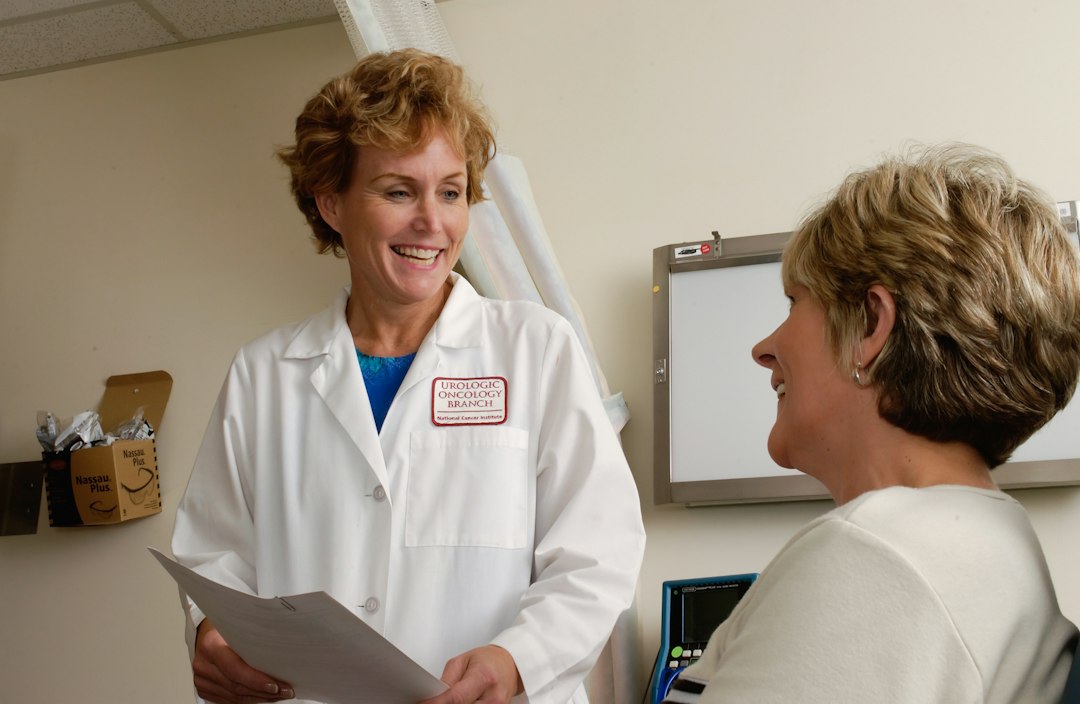
Modern medical practice continues to evolve through improvements in clinical knowledge, communication, technology, and approaches to patient engagement. Effective healthcare increasingly considers not only the medical concern but also the patient’s understanding, preferences, comfort, and ongoing needs. Dr. Christopher Mallavarapu represents a perspective focused on thoughtful patient care, clear communication, individualized attention, and responsible use of modern healthcare practices.
A modern approach begins with understanding the individual. Healthcare professionals can gather relevant information, listen to concerns, and explain appropriate care options in language that patients can understand. This creates a stronger foundation for informed healthcare discussions.
Improving Communication in Healthcare
Clear communication is an essential part of quality patient care. Medical information can sometimes be complicated, making it important to explain diagnoses, procedures, recommendations, and follow-up requirements carefully.
Patients should have opportunities to ask questions and express concerns. Active listening can help healthcare professionals understand what matters most to each individual and can make healthcare interactions more collaborative.
Communication should also continue after an initial consultation. Appropriate follow-up can help clarify information and address questions that may arise during the course of care.
Supporting Individualized Care
Patients have different circumstances, experiences, and expectations. Modern healthcare can recognize these differences by considering relevant individual factors when discussing appropriate care.
Dr. Christopher Mallavarapu reflects the importance of combining professional medical knowledge with attention to individual patient needs. Personalized communication can help patients better understand their options while allowing healthcare professionals to address concerns in a more focused manner.
Individualized care does not mean that established medical principles are ignored. Instead, it involves applying appropriate professional knowledge while considering the circumstances of the person receiving care.
Using Technology in Modern Medical Practice
Technology has become an important part of contemporary healthcare. Digital records, communication systems, diagnostic tools, and educational resources can support healthcare professionals and patients in different ways.
Technology can improve organization and access to information, but it should be used thoughtfully. Human interaction remains important because patients may need explanations, context, and direct discussion about their concerns.
The combination of technology and personal communication can contribute to a more connected healthcare experience.
Encouraging Informed Patient Participation
Patients can benefit from having a clear understanding of their healthcare discussions. When appropriate information is explained in accessible language, individuals may be better prepared to ask questions and participate in conversations with qualified professionals.
Informed participation also requires time and attention. Healthcare professionals can encourage patients to discuss concerns rather than assuming that every individual understands complex medical information immediately.
Education can therefore become an important component of modern patient care.
Focusing on Continuous Improvement
Healthcare practices require ongoing learning and evaluation. Medical professionals can review patient feedback, communication processes, and care experiences to identify areas where improvements may be possible.
Continuous improvement can involve refining communication, adopting appropriate technologies, improving coordination, or developing more efficient processes.
A willingness to learn and adapt can help healthcare teams respond to changing expectations while maintaining a focus on patient needs.
Creating a Modern Patient-Care Framework
Modern medical practice combines clinical knowledge with communication, individualized attention, technology, education, and continuous improvement. These elements can work together to create a healthcare environment that is organized, understandable, and focused on the individual.
The principles associated with Dr. Christopher Mallavarapu highlight the importance of advancing patient care through thoughtful and modern practices. By strengthening communication, supporting informed participation, using technology responsibly, and maintaining attention to individual needs, healthcare professionals can contribute to a more responsive and patient-focused approach to contemporary medical care.