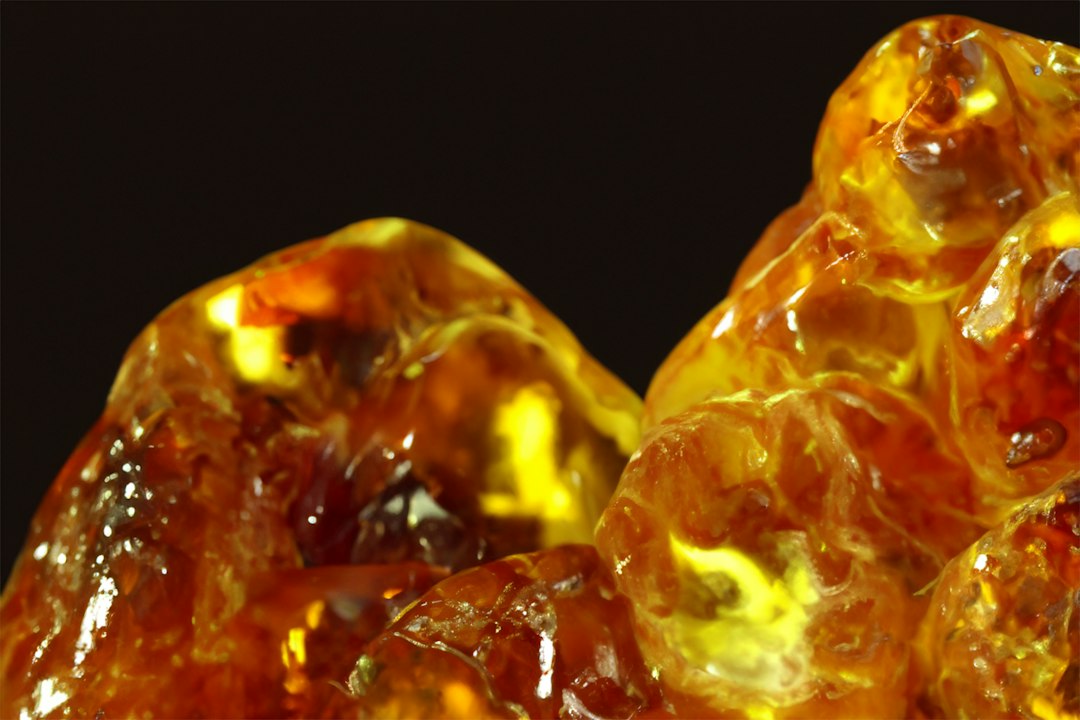
Reliable cannabis education should explain both the characteristics of a product and the circumstances that can influence its effects. Weed hash refers to a resin-based cannabis preparation that can differ substantially in composition and physical form. A professional understanding therefore requires more than identifying the product; it involves considering health, impairment, product quality, and legal responsibilities.
How can hash be identified?
Hash is often recognizable as a compressed or collected resin preparation. It may have a dark, brown, greenish, or lighter appearance depending on production and storage. However, visual inspection cannot confirm chemical content or safety. Unregulated material may also contain contaminants that are not visible to the eye.
Does the form of hash determine its effects?
Not necessarily. Texture and appearance can provide limited information about how a product was prepared, but they do not reliably indicate its cannabinoid composition. Chemical testing and trustworthy product information are more useful for understanding potential effects.
What happens after cannabis enters the body?
Cannabinoids interact with receptors throughout the body’s endocannabinoid system. THC can influence brain functions involved in memory, perception, mood, and coordination. This explains why cannabis may alter sensory experiences and cognitive performance. Individual reactions can range from mild effects to significant discomfort.
Why can anxiety occur?
THC can affect mood and perception, and some individuals may respond with heightened anxiety, uneasiness, or paranoia. Environmental factors and personal sensitivity can influence these reactions. Someone experiencing significant distress should move to a safe environment and consider appropriate medical assistance if symptoms are severe or persistent.
Can cannabis affect memory?
Short-term memory and attention may be affected during intoxication. Frequent use may also be associated with cognitive concerns in some individuals. These issues are particularly important for students, workers, drivers, and anyone whose responsibilities depend on consistent concentration.
What does responsible awareness mean for workplaces?
Workplaces involving vehicles, machinery, heights, healthcare duties, or other safety-sensitive responsibilities require careful attention to impairment. Employers and employees may also be subject to specific workplace policies and laws. Personal assumptions about being capable of performing a task should not replace safety requirements.
Why are regulated products discussed in public-health guidance?
Regulated markets may establish standards concerning testing, labeling, packaging, and contaminant screening. These measures can improve consumer information compared with products of unknown origin. Nevertheless, regulation does not remove the potential health effects associated with cannabis.
Is cannabis appropriate for everyone?
No single cannabis product is appropriate for every person. Age, health history, medications, pregnancy, mental health considerations, and previous reactions can all matter. Anyone uncertain about potential interactions or personal risks should consult a qualified healthcare professional.
How can readers evaluate cannabis information?
Readers should prioritize government health resources, qualified medical professionals, and credible scientific information. Claims promising predictable effects or presenting cannabis as universally harmless should be approached carefully. Responsible education acknowledges both potential effects and uncertainty.
What should a responsible reader take away?
Hash should be approached as a concentrated cannabis preparation with variable characteristics rather than a standardized product. Understanding cannabinoid effects, recognizing impairment, considering health circumstances, maintaining secure storage, and following applicable laws all contribute to responsible awareness. Balanced information helps readers make safer and more informed decisions without relying on assumptions.
What You Need to Know
- Weed hash is a resin-based cannabis preparation that varies in composition and physical form.
- Hash can be visually identified as a compressed resin preparation, but its chemical content and safety cannot be confirmed through visual inspection alone.
- THC can affect brain functions such as memory, perception, mood, and coordination, potentially altering sensory experiences and cognitive performance.
- Short-term memory and attention may be impaired during cannabis intoxication, with frequent use potentially leading to cognitive concerns for individuals in safety-sensitive roles.
- Regulated cannabis products undergo standards regarding testing, labeling, and contaminant screening, which improves consumer information compared to unregulated products.