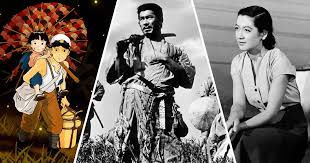
Japanese cinema offers more than just entertainment; it provides a profound and authentic look into the heart of Japanese culture. Through its unique storytelling, rich traditions, and nuanced social commentary, these films serve as a powerful medium for cultural exchange. Viewers are invited to explore a world that is both deeply traditional and strikingly modern, gaining insights that go far beyond what a travel guide could offer https://filmjepang.link/.
This article explores the cultural benefits of watching Japanese films, highlighting how they foster a deeper understanding of Japan’s unique identity, values, and artistic expressions.
What makes Japanese film storytelling unique?
Japanese storytelling often prioritizes atmosphere, emotional depth, and character introspection over fast-paced plots. Many films embrace the concept of “Ma” (間), which refers to the empty space or pause that gives shape and meaning to the whole. This technique encourages viewers to reflect on unspoken emotions and the subtleties of human relationships.
This focus on internal experience allows for a more intimate connection with the characters and their world. Whether it’s a quiet family drama or a sweeping historical epic, the narrative style invites you to appreciate the small moments and the quiet beauty that define much of Japanese aesthetics.
How do these films reflect cultural values?
Japanese films are a rich source for understanding the core values that shape the nation’s society. Themes of perseverance, community, and the importance of honoring tradition are frequently explored.
- Community and Harmony (Wa 和): Many stories emphasize the importance of group harmony and collective responsibility. Characters often make decisions based on the well-being of their family, company, or community, reflecting a deep-seated cultural value.
- Perseverance (Gaman 我慢): The idea of enduring hardship with quiet strength is a common thread. Protagonists often face immense challenges but persevere through inner fortitude rather than outward complaint.
- Respect for Nature: Shinto and Buddhist influences are evident in the reverence for nature depicted in many films. Landscapes are often treated as characters in their own right, shaping the story and reflecting the inner state of the characters.
By observing how these values play out on screen, audiences can gain a more nuanced understanding of the social fabric of Japan.
What can we learn about Japanese traditions?
From samurai epics to contemporary stories set in bustling Tokyo, Japanese cinema showcases a wide array of traditions. Viewers are exposed to the intricacies of tea ceremonies, the discipline of martial arts, the vibrant spectacle of local festivals (matsuri), and the quiet elegance of traditional arts like ikebana (flower arranging).
These depictions are rarely just for show; they are woven into the narrative, providing context and depth to the characters’ lives. Watching a character meticulously prepare a meal or follow the strict etiquette of a formal event offers a genuine glimpse into the daily rituals and cultural practices that have been passed down through generations. This exposure helps demystify these traditions and highlights their enduring relevance in modern Japan.
A Deeper Connection Through Cinema
Japanese films provide an invaluable opportunity to connect with a rich and complex culture on a deeper level. They move beyond stereotypes to present authentic, human stories that resonate universally while remaining distinctly Japanese. By exploring the unique narrative styles, cultural values, and traditions presented in these films, you can cultivate a greater appreciation and understanding of Japan and its people.
The next time you choose a film, consider exploring the world of Japanese cinema. You might find that you gain not only a new favorite movie but also a new perspective on the world.